Search Images Maps Play YouTube News Gmail Drive More Assist Report a problem about Google Groups Keyboard faster ways Sign in.
Chalking is a grainy residue on the roofing system surface resulting from deterioration of that material from exposure. It is NOT from settled dirt. Chalk needs to be removed by cleansing in order for the used coverings to have appropriate adhesion. The very best method to clean your roof is to power-wash the surface.
 How To Apply Elastomeric Cool Roof Coatings: 3 Easy Steps
We recommend you scrub the roofing with water and TSP (Trisodium Phosphate) option to remove all dirt, oils, grease and chalk. SUGGESTION: Prior to coating starts, roofing system surface area need to be inspected with tape to see if it is actually tidy. If the tape manages tight and evenly, the surface area is tidy.
KEEP IN MIND: If no quantity of cleaning produces a sufficient tape pull, a primer ought to be considered. The three M's Mildew, Moss and Mold, are typically fuzzy, greenish or bluish-grayish-white and THEY'RE ALIVE. Cement and tile roofings are specifically vulnerable to mildew because they include minerals which are required to support development.
Special Info: http://keeganyuvz259.raidersfanteamshop.com/elastomeric-coatings-for-metal-roofs
To protect your roofing, offer proper drain and expose shaded areas to sunshine where possible. Prone areas that can not be corrected need to be cleaned with a chlorine bleach service twice each year. Clean the roofing system surface area by power-washing or scrubbing with TSP (Trisodium Phosphate). Treat mildewed areas with a chlorine bleach option.
Follow the Kool Seal easy 3-Step Process for the Moss: really little plants that grow in velvety, green clusters on moist surface areas. Mold: a downy or furry growth on the roofing system surface area triggered by fungi, specifically in the presence of moisture or decay. Mildew: a fungus that can appear on a surface area when exposed to moisture, it appears as a thin, furry, whitish discoloration.
Pro-q 7-year White Elastomeric Roof Coating
It is essential to seal your roofing system as quickly as you see indications of alligatoring. If the surface is left unprotected, it can deteriorate beyond a point where a roof finishing will be reliable. Scrape off loose previous finish. Clean the roofing with water and TSP (Trisodium Phosphate). Wash thoroughly and let dry.
Use to enhance patching cement on all cracks. If your roof appears like this, see a roof professional and have it changed. This is what takes place to asphalt if it's left exposed and unprotected. The finest method to avoid this from taking place to your roofing is to patch and enhance all cracks with or.
Like Blister on your skin, blisters on a built-up roof (or BUR) happen when water gets trapped under the leading layers of the surface. With a little work you can remove this issue from your roofing. If in doubt, speak with a licensed Roofing Expert. Scrape off loose previous covering.
Rinse completely and let dry. On blistered locations, cut an X through the entire blister and permit moisture to evaporate and dry thoroughly before patching. Patch withor, the usage to enhance patching cement over the blister and on all fractures. Top coat with a for the finest performance. Imagined left is a condition referred to as loose lap.
With a little bit of work you can eliminate this problem from your roofing. If in doubt, consult a qualified Roof Specialist. Prepare the surface per bundle instructions. Safe and secure loose laps in place with, and then use to enhance patching cement on all cracks. Top coat with a or for the very best efficiency.
This condition is called "fishmouthing". If left ignored, fishmouths might allow water penetration into the roof system. With a bit of work you can eliminate this problem from your roofing. If in doubt, consult a qualified Roof Professional. If loose edges extend back just a number of inches, the loose material may be snipped off and disposed of.
Roof Coat Elastomeric Coating Product Data Sheet
Trim flaps so they lie flat. Seal with and reinforce with. Then top coat the whole roofing surface area with a or for the very best efficiency.
Inspect your Lexis roofing system covering system frequently. Keeping the roof clean and totally free of debris will offer you maximum efficiency and longer life span. Touch up any harmed locations instantly to prevent substrate deterioration.
Hi everyone, I'm hoping somebody can offer me some insightabout a month ago my beloved hubby, in an attempt to help me, painted the roofing system of my horse trailer with the silver seal aluminum coating. When he understood the covering was running down the sides, he got the bright idea to simply paint my whole (steel) trailer with it.
It's now a mahogany color. He also utilized a paint brush, so it's extremely streaky. Exists a method to remove this stuff? I've provided him a month to fix it, however it's show season and I require my trailer back! Can I just paint over it? The thing only cost me 3 grand, it doesn't need to be gorgeous, would just prefer for it to look a little much better than if does currently! Any ideas would be terrific! Thanks beforehand!!! Sorry to be the bearer of bad news but I do not know of a way to remove it.
I 'd say the best bet would be to put numerous coats of white paint over it. Yes the un blended aluminum coat might bleed through, so you paint it once again. There are some products that will remove the asphalt, however they are extremely destructive and would make an absolute mess.
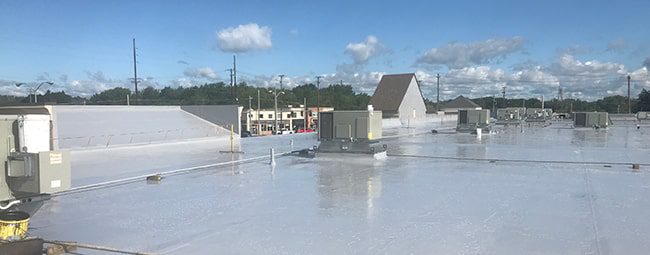 Best Practices For Roof Coating Application
Waterproofing the Recreational Vehicle roofing is among the most essential things to do. It can make a big distinction in between savings and losing money on major repairs. It is why RV owners should apply a sealant to the roof regularly as a part of upkeep. Nevertheless, there are times when you need to take the old sealant off, and change it with a brand-new one.